
How are dental implants in Garneau capable of restoring your smile and oral health? Before proceeding, you need to understand how these implants work. Dental implants are a long-term solution to missing or damaged teeth. They are permanent structures that look like real teeth, which help maintain the structure of one’s teeth.
What are Dental Implants?
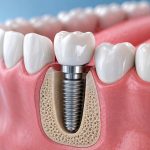
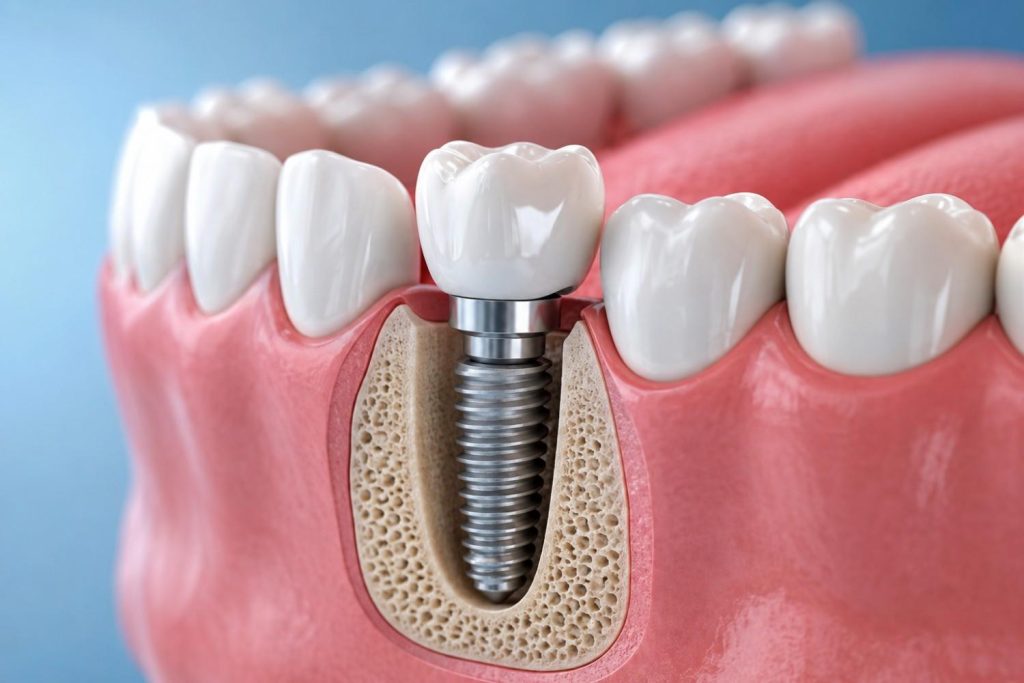
Dental implants are small titanium posts put into the jawbone to replace tooth roots. They hold crowns, bridges, or dentures in place, giving a permanent way to replace missing teeth. Because they are strong and stable, dental implants are often better than regular dentures or bridges.
How Dental Implants Work
Many patients ask, “How do dental implants work?” The process has several steps to make sure the implant is stable, comfortable, and lasts a long time. The implant joins with the jawbone in a process called osseointegration, creating a strong base for the new tooth.
Step 1: Initial Consultation
The first step in getting a dental implant is a visit to a dental clinic in Garneau. During this visit:
- The dentist checks your teeth, gums, and jawbone strength.
- X-rays or 3D scans are done to plan where the implant will go.
- The dentist talks about your options, what results to expect, and the costs.
This step makes sure the treatment is safe and fits your needs.
Step 2: Preparing the Jawbone
If the jawbone is insufficient, bone grafting may be necessary. This strengthens the area to support the implant properly. Healthy bone is critical for the successful integration and long-term stability of the implant.
Step 3: Implant Placement
During the dental implant procedure, the dentist puts the titanium post into your jawbone through a small incision. Local anesthesia is used, so it doesn’t hurt. After this, the implant needs time to heal and join with the bone, which usually takes a few months.
Step 4: Healing and Osseointegration
The implant sticks to the jawbone during the healing time. This process is known as osseointegration. This provides a strong base for the new tooth, helping to keep it in place and working like a real tooth root.
Step 5: Abutment Placement
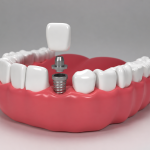
After the implant has attached to the jawbone, a small part called an abutment is put on. It connects the implant to the crown (the new tooth) and keeps the crown in the right place securely.
Step 6: Crown Placement
The final step in the dental implants process is placing the custom-made crown on the abutment. Crowns are designed to match the colour, shape, and size of your natural teeth, restoring both function and aesthetics.
Benefits of Dental Implants
Dental implants near you have many benefits compared to other ways to replace teeth:
- They look and feel like real teeth.
- Keep your jawbone healthy and prevent bone loss.
- Last a long time and are strong.
- Help you chew and speak better.
- Easy to care for with normal brushing and flossing.
These reasons make dental implants a good choice for replacing missing teeth.
Caring for Dental Implants
Taking care of dental implants helps them last a long time. Here’s how:
- Brush and floss your teeth every day.
- Use a soft toothbrush so you don’t hurt the implant.
- Go to the dentist often for cleaning and check-ups.
- Don’t chew hard things that can break the crown.
Looking after your implants every day and following your dentist’s advice keeps them strong for many years.
Elevate Your Smile, Empower Your Confidence!
Get the best smile with dental implants that look just like your natural teeth. Knowing how the implant process works step by step helps you feel ready and confident. With careful care and the right techniques, your new teeth can be strong, comfortable, and look great for many years.
Book your personal appointment at the University of Edmonton Dental Choice today and start your journey to a strong, healthy, and confident smile that looks great every day.
FAQs
Can dental implants stop jawbone shrinkage?
Yes! Unlike regular dentures, dental implants keep the jawbone strong because they act like real teeth. This helps prevent the bone from shrinking and keeps your facial structure healthy.
Do implants affect nearby teeth?
No. Implants work on their own and don’t put pressure on other teeth. This keeps your nearby teeth safe, prevents extra wear, and helps them stay in the right place.
Can implants improve my ability to chew certain foods?
Absolutely. Dental implants restore nearly full biting and chewing power, allowing you to eat hard or chewy foods comfortably, things that might be difficult or impossible with dentures or missing teeth.
Will implants look like my real teeth?
Yes. The crowns on dental implants are made to match your natural teeth in color, shape, and size. They look natural and fit in well with your other teeth.