
Curious about how to make your dental implants last? While dental implants are a reliable way to replace missing teeth, providing natural looks and long-term function, proper recovery is just as important as the procedure itself. Many patients unknowingly make mistakes that can slow healing or affect results. Knowing the common dental implant recovery errors can help you protect your new smile for years to come.
Why Proper Dental Implant Aftercare Matters
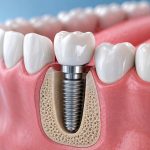
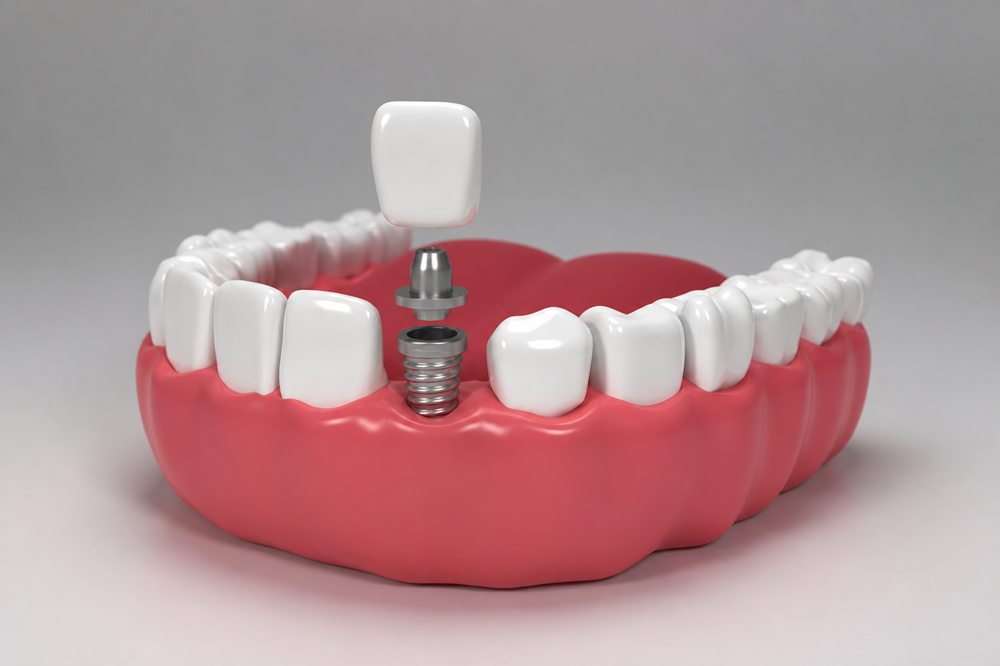
Healing after dental implant surgery needs good care. The implant has to slowly join with your jawbone, which is called osseointegration. If you don’t take proper care, it can cause infection, implant failure, or longer discomfort. Avoiding common mistakes after the procedure helps you heal faster and keeps your implant strong for a long time.
1. Skipping Post-Operative Instructions
Your dentist will give you simple instructions after implant surgery to help you heal and avoid problems. Not following these instructions is a common mistake and can slow down your recovery.
Key guidelines often include:
- Avoiding hard or chewy foods for the first few days
- Taking prescribed medications on schedule
- Following recommendations for rinsing or oral care
Following instructions ensures proper healing and reduces the chance of complications.
2. Poor Oral Hygiene
Keeping the area around your implant clean is very important. If you don’t keep it clean, it can cause gum infection or a problem called peri-implantitis, which can damage the implant.
Simple tips to keep it clean:
- Gently brush the nearby teeth and gums.
- Use a mouthwash if your dentist suggests it.
- Do not brush directly on the implant for the first few days.
Good cleaning helps reduce swelling and helps you heal faster.
3. Smoking or Using Tobacco Products
Tobacco use is a major factor in implant failure. Nicotine reduces blood flow to the gums, slowing healing and increasing infection risk. Smoking is a common dental implant recovery mistake that patients should avoid before and after surgery.
- Even occasional smoking can delay osseointegration.
- Quitting temporarily around the procedure enhances success.
4. Ignoring Diet Recommendations
Eating the wrong foods after surgery can harm the implant area or slow healing. It’s best to eat soft foods for the first few days and avoid hard or sticky foods.
- Stay away from nuts, chips, and chewy candies.
- Eat soft foods like protein-rich foods, soups, and smoothies.
- Drink plenty of water, but avoid using straws at first because the suction can affect healing.
5. Skipping Follow-Up Appointments
Follow-up visits are very important to check your healing and catch any problems early. Skipping these visits can slow your recovery.
During these visits at a dental clinic in Garneau, your dentist may:
- Check the implant area to see if it is healing well.
- Take X-rays to make sure the implant is joining properly with the bone.
- Adjust temporary teeth if needed.
6. Overexerting Yourself Too Soon
Physical strain can increase blood pressure and swelling at the surgical site. Patients often underestimate how much activity impacts recovery.
- Avoid heavy lifting, vigorous exercise, or bending for at least a week
- Gradually return to normal activities as advised
7. Using the Wrong Pain or Anti-Inflammatory Medications
Some common medicines, like aspirin, can cause more bleeding. Taking the wrong pain medicine without asking your dentist can slow your healing.
- Follow the pain medicine plan your dentist gives you.
- Always ask your dentist before taking any other medicine.
8. Neglecting Implant Protection
New dental implants near you are sensitive. Do not use that area for chewing until it fully heals. Not protecting it can affect how well it settles in place.
- Do not chew hard foods near the implant.
- Wear a mouthguard during sports if your dentist suggests it.
- Be careful so that children or pets don’t touch or disturb the area.
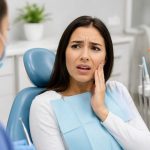
9. Failing to Recognize Signs of Complications
Catching problems early helps your implant heal properly. Look out for these signs:
- Pain or swelling that lasts more than a few days
- Pus, unusual fluid, or bleeding
- The implant feels loose or moves.
If you notice any of these, contact your dentist near you right away to prevent bigger problems.
Ensure a Successful Dental Implant Recovery Today!
Want your dental implant to heal well and stay strong? Visit the University of Edmonton Dental Choice for simple advice, personalized care, and support at every step. With the right guidance and easy aftercare, you can enjoy a healthy, long-lasting implant and a confident smile. Book your appointment today and start your smooth recovery!
FAQs
How long does implant recovery take?
You will start to feel better in about 1–2 weeks. Full healing, when the implant joins with your bone, can take about 3–6 months, depending on your health and where the implant is placed.
Can I eat normally right after implant surgery?
No. You should eat soft foods for a few days. Avoid hard, crunchy, or sticky foods until your dentist says it is safe.
Is swelling after surgery normal?
Yes, a little swelling and slight bruising are normal for 2–3 days. Using an ice pack can help reduce it.
When can I brush near the implant?
You can start gently brushing around the area after 24 hours. Be very careful and don’t brush directly on the implant until your dentist says it’s safe.