
After braces or clear aligners are removed, your teeth still need support to stay in their new position. That is where retainers help. Retainers are custom-made dental devices worn after orthodontic treatment to keep teeth from shifting back over time.
If you are searching for orthodontic retainers near you after completing your treatment, keeping results stable is an important part of long-term oral health. Different retainers are available, and each type has its own purpose, comfort level, and care needs.
Why are Retainers Important?
Teeth naturally move throughout life. After orthodontic treatment, the gums and bones around the teeth need time to adjust. Without a retainer, teeth may slowly shift back to their old positions.
Retainers can be useful for:
- Keeping teeth aligned.
- Preserving orthodontic work.
- Avoiding misalignment problems.
- Correcting bite issues.
- Ensuring good oral health.
Your dentist or orthodontist will advise you on which retainer is best suited for you.
What are the Main Types of Orthodontic Retainers?
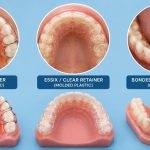
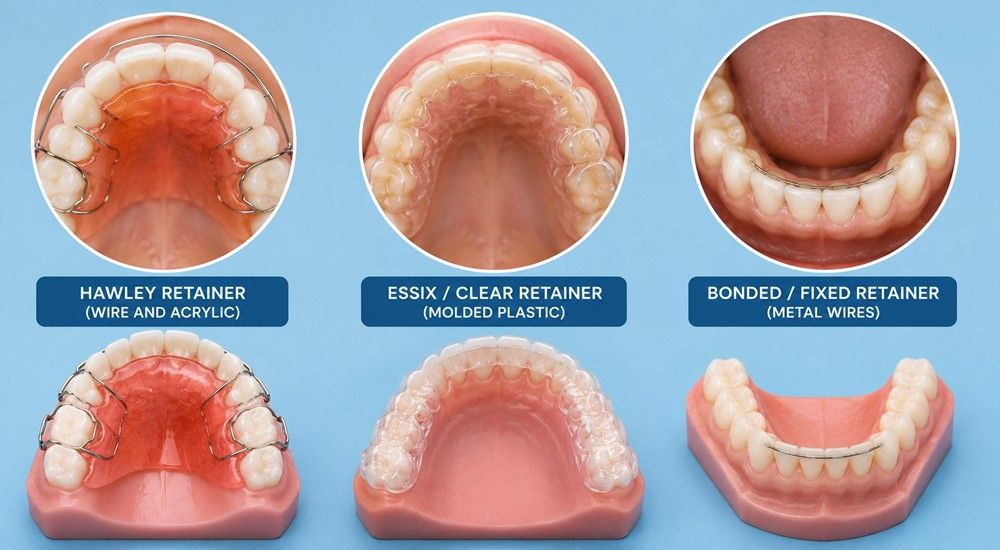
There are three common types of orthodontic retainers:
| Type of Retainer | Removable or Fixed | Appearance | Common Material |
| Hawley Retainer | Removable | Visible wire | Acrylic and metal |
| Clear Plastic Retainer | Removable | Nearly invisible | Transparent plastic |
| Fixed Retainer | Permanent | Hidden behind teeth | Thin metal wire |
Each option offers different benefits depending on comfort, appearance, and maintenance needs.
What is a Hawley Retainer?
A Hawley retainer is one of the oldest and most commonly used retainers. It has a plastic base that fits against the roof of the mouth or behind the lower teeth, along with a thin metal wire across the front teeth.
Benefits of Hawley Retainers
- Durable and long-lasting.
- Adjustable if minor tooth movement occurs.
- Easy to clean.
- Allows natural contact between upper and lower teeth.
Things to Consider
- The metal wire may be visible.
- Some people need time to adjust to speaking clearly.
- Must be removed before eating.
Hawley retainers are often recommended for patients who need a strong and reliable retainer for long-term use.
What are Clear Plastic Retainers?
Clear plastic retainers are made from transparent material that closely fits over the teeth. They look similar to clear aligners and are popular among teens and adults.
Benefits of Clear Retainers
- Nearly invisible when worn.
- Comfortable and lightweight.
- Easy to remove.
- Custom-fit for the teeth.
Things to Consider
- Can crack or warp with heat.
- May need replacement over time.
- Must be cleaned carefully to avoid stains.
People who want a less noticeable option often choose clear retainers after orthodontic treatment.
What is a Fixed Retainer?
A fixed retainer, also called a permanent retainer, is a thin wire attached behind the front teeth. It stays in place continuously and cannot be removed by the patient.
Benefits of Fixed Retainers
- Works all day without needing reminders.
- Hidden behind the teeth.
- Helps prevent shifting in front teeth.
Things to Consider
- Requires careful brushing and flossing.
- Food particles may collect around the wire.
- Regular dental visits are important for monitoring.
Fixed retainers are commonly used for lower front teeth because these teeth are more likely to shift over time.
Which Retainer is Right for You?
The right retainer depends on several factors, including:
- Your orthodontic treatment.
- Tooth movement risk.
- Daily habits.
- Comfort preferences.
- Oral hygiene routine.
Some people may even use more than one type of retainer during different stages of treatment.
A professional at a dental clinic near you can examine your teeth and recommend the option that suits your needs.
How Long Do You Need to Wear Retainers?
Retainer wear varies from person to person. In many cases, patients wear retainers full-time for the first few months after treatment and then switch to nighttime use.
Your dental provider may recommend:
- Full-time wear immediately after braces.
- Nighttime wear after teeth stabilize.
- Long-term use to maintain alignment.
Following instructions carefully helps keep your smile in position for years.
How Should You Care for Retainers?
Proper care keeps retainers clean and working properly.
Tips for Retainer Care
For Removable Retainers
- Rinse after removal.
- Clean daily with a soft toothbrush.
- Store in a protective case.
- Avoid hot water.
- Remove before eating unless instructed otherwise.
For Fixed Retainers
- Brush around the wire carefully.
- Use floss threaders if needed.
- Attend regular dental cleanings.
- Watch for loose wires.
Good maintenance can help prevent damage, odors, and plaque buildup.
What Happens If You Stop Wearing Your Retainer?
If retainers are not worn as instructed, teeth can slowly shift back. Even a small movement may affect your bite and smile appearance.
Signs of shifting may include:
- Tight-fitting retainers.
- Crowding in front teeth.
- Changes in bite alignment.
- Gaps reopening.
If this happens, contact your dental provider as soon as possible. Early care may help prevent more movement.
Are Retainers Comfortable?
Most people adjust to retainers within a few days. Some mild pressure or speech changes are normal at first. Comfort usually improves with regular wear.
Helpful adjustment tips include:
- Wearing the retainer consistently.
- Practicing speaking out loud.
- Keeping the retainer clean.
- Follow the care instructions carefully.
If discomfort continues, your dental team can check the fit and make adjustments if needed.
Keep Your Smile Protected with University Edmonton Dental Choice
Taking care of your teeth post-braces is as crucial as getting braces in the first place. Retainers are essential in keeping your smile safe and promoting optimal oral hygiene. We offer services such as removable retainers, fixed retainers, or any other questions regarding your dental device from the professionals at the University Edmonton Dental Choice.
Book a visit today to learn more about retainer options and maintain the smile you worked hard to achieve.
FAQs:
How often should I wear my retainer?
Most people wear retainers full-time at first and later switch to nighttime wear. Your dental provider will give instructions based on your treatment needs.
Can retainers move teeth back into place?
Retainers can help maintain tooth position, but they are not meant for major tooth movement. Significant shifting may require further orthodontic treatment.
How long do orthodontic retainers last?
The lifespan depends on the type of retainer and how well it is cared for. Some removable retainers may last several years, while fixed retainers can last longer with proper maintenance.
What should I do if my retainer breaks or feels loose?
Contact your dental provider as soon as possible. A damaged or loose retainer may not hold your teeth properly and could allow shifting.